





Streaming services are built for flexibility. Subscribers expect to watch premium content across smart TVs, browsers, mobile devices and casting environments. Behind every playback request, a chain of decisions determines whether that user, device and session should be allowed to access the content.
That flexibility is essential to the viewer experience, but it also creates more paths for fraudulent activities.
Not every attack looks like classic piracy. Some of the most damaging forms of streaming fraud hide inside trusted playback flows: valid sessions, vulnerable devices, stolen tokens or manipulated environments. For media operators, the challenge is to protect premium content, revenue and rights agreements without disrupting legitimate viewers.
The goal is not simply to block access, but to reduce fraud with precision. This means identifying where trusted access is being abused, which users, devices or sessions may be creating risk, and applying the right control at the right point in the workflow.
The operator dilemma: protect content without punishing viewers
Premium content is often distributed under strict commercial and technical requirements. A studio, sports rights holder or content owner may define where content can be viewed, which devices are eligible and what level of security is required.
Operators then need to enforce those conditions across a wide range of devices, browsers, applications and playback environments. That is where the complexity begins. A legitimate subscriber may move between a phone, laptop, smart TV or casting device, while the platform still needs to keep playback smooth for paying customers.
Blunt enforcement can create problems of its own. Blocking too broadly may stop suspicious activity, but it can also interrupt legitimate viewers, increase support contacts and create unnecessary frustration. Doing too little, however, can leave operators exposed to revenue loss, increased delivery costs and put premium content at risk.
The goal is not always to block a subscriber entirely. It may be to identify whether a specific device, session or environment is creating the risk, and respond only where needed.
What modern fraud looks like in streaming
Modern streaming fraud can take different forms, but many attacks share the same pattern: they turn legitimate access mechanisms into unauthorized viewing.
Common examples include:
- Device compromise: vulnerable devices may be exploited to extract content keys. Those keys can then be used to circumvent DRM protections and stream directly from the operator’s CDN to serve unauthorized customers.
- Session abuse: stolen or reused session tokens may allow pirates to impersonate an authorized user and access content they have not paid for.
- Suspicious playback environments: emulators, scripts, tampered platforms, vulnerable certificates or revoked system IDs may point to abnormal access behavior.
These signals can help operators identify potentially fraudulent activity and decide where further investigation is needed.
When a legitimate session becomes an access point
Session token abuse is a clear example of how legitimate access can be extended into unauthorized viewing.
A subscriber logs in, is authenticated and receives a session token. That token helps confirm that the subscriber is allowed to access specific content based on their entitlements.
The risk begins when that token is stolen or reused outside the intended session or device. An unauthorized user may then attempt to appear as the legitimate subscriber and inherit access from a session that was originally valid.
For the operator, the impact can be significant. Unauthorized users may consume content without paying, while the platform still carries the cost of serving that stream through backend systems, CDN delivery and other third-party services. For premium content, there may also be risk if access requirements set by studios, sports leagues or rights holders are not properly enforced.
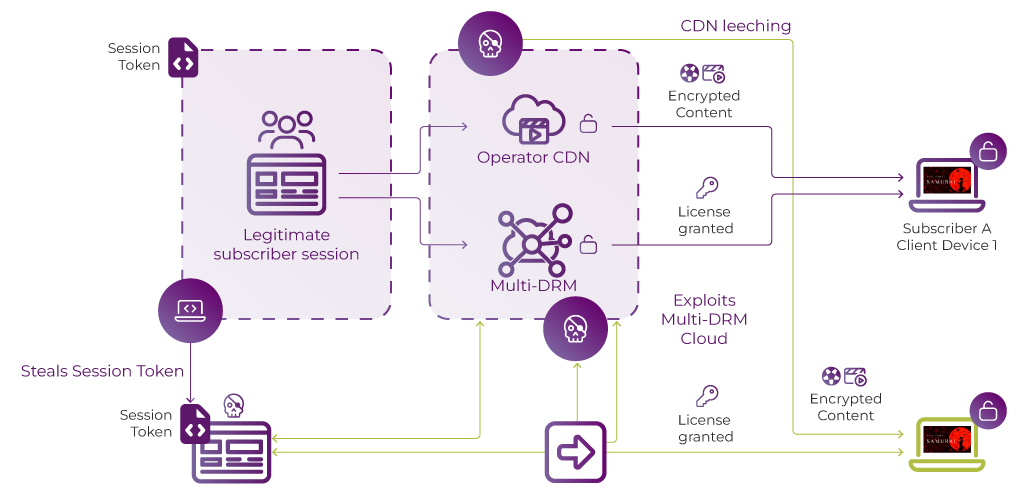
Figure 1. How session token abuse can turn legitimate access into unauthorized viewing.
A viable anti-fraud model: precise, integrated and actionable
To address fraud that hides inside normal playback flows, operators need more than a broad block-or-allow approach. A practical anti-fraud model should help them detect suspicious behavior, assess the level of risk and act with targeted controls.
That model needs three things:
- Precision without collateral damage: not every suspicious signal should result in a full user block. Operators need ways to act on the specific device, session, identifier or access pattern creating risk.
- Integration with existing DRM workflows: access is already governed through tokens, licenses, entitlements and device policies. Anti-fraud controls should strengthen those decision points.
- Visibility that leads to action: reporting should surface signals such as session sharing, suspicious user agents, emulator or script activity, tampered platforms, vulnerable certificates or revoked system IDs.
In practice, anti-fraud should not stop at reporting. A suspicious signal should lead to investigation, and investigation should lead to a proportionate response: shortening a session token, binding a session to a device, applying a device policy or restricting a risky playback environment.
Practical mitigations: what targeted action looks like
In the case of session token abuse, the goal is to limit how easily a valid session can be reused outside its intended context.
Operators can do this through controls such as:
- Short-duration session tokens, which reduce the time window in which a stolen token can be misused.
- Session token binding, which helps tie the token to the intended streaming device or playback context.
- Device-type policies, which enforce rules based on device context, security level or content requirements, such as restricting certain playback to approved device types.
- Targeted blocking or policy action, which can restrict a vulnerable device or environment.
The goal is to stop abuse in a way that is specific, explainable and operationally manageable.
These are the kinds of challenges Irdeto Control’s Anti-Fraud management features are designed to help operators address. It helps connect suspicious signals to targeted action inside the streaming access workflow, whether that means binding a session to a device, applying device-type policies or blocking vulnerable and exploited devices.
Protecting access without disrupting trust
For streaming operators, the next step is to understand where exposure exists inside the access workflow.
Which devices are trusted? How are sessions validated? What signals are being reported? Where can enforcement happen without disrupting legitimate viewers?
Answering those questions is what turns anti-fraud from a broad blocking exercise into a more precise operational strategy. Operators need to reduce unauthorized access, protect premium content and preserve the experience for paying subscribers at the same time.
That starts with assessing whether existing controls are precise enough to detect suspicious behavior, understand the risk and act without unnecessary business fallout.
If you are exploring how to detect and reduce streaming fraud without disrupting legitimate viewers, get in touch with Irdeto Control to continue the conversation.









/Images/Module%20-%20footer/spiral.svg)


